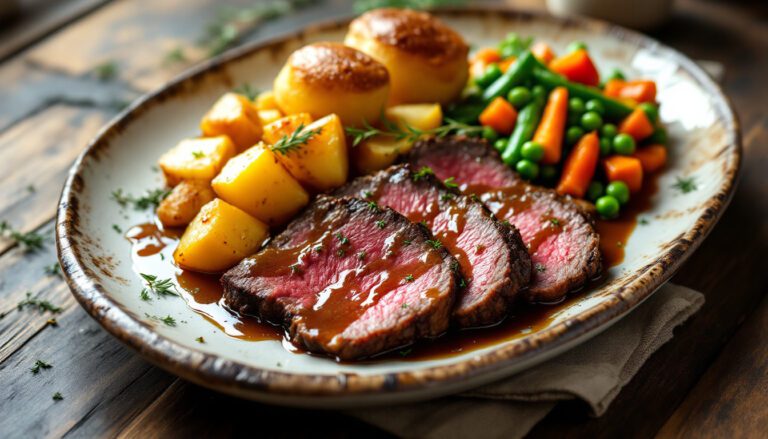
Authentic Uruguayan Asado Recipe for Your Backyard Grill
How to Make Uruguayan Asado at Home (Without a Fancy Grill Setup) – So my dad’s been trying to convince me that grilling is “an essential life skill” since I moved into my first apartment last year.
Uruguayan Asado

Ingredients
- 1.5-2 lbs skirt steak
- 2 tablespoons canola oil
- Salt and black pepper, to taste
- Dried oregano (optional)
- 1 clove garlic, halved (optional)
Instructions
- Take skirt steak out of fridge and set on counter to come up to room temperature. Brush with canola oil and top with pepper and oregano, if desired. You may also rub the meat with a cut clove of garlic for extra flavor.
- Light charcoal in grill. Once outsides turn white, spread into an even layer and add 2 good handfuls of hickory wood chips. Let the wood chips burn down so the flames aren't huge, then add your meat to the grill.
- Sprinkle with as much salt as desired. Cook 3-5 minutes then flip. Sprinkle with more salt. Cook until meat is cooked to your liking (130°F for medium-rare, 140°F for medium).
- Remove from heat and cover with foil to rest 10-15 minutes. Cut across the grain into very thin strips and serve immediately.
Nutrition
The thing is, I grew up watching him grill Chinese BBQ pork on our tiny balcony, not South American steaks, so when my Uruguayan coworker invited me to an asado last summer, I literally had no idea what to expect.
Just showed up with potato salad like it was a regular American cookout. Plot twist: it was nothing like that, and I’ve been obsessed ever since.
Here’s what blew my mind—asado isn’t just grilled meat. It’s like, a whole cultural experience.
My coworker’s family spent literally hours around the grill, just hanging out, drinking mate, flipping these massive cuts of beef while everyone talked. The meat itself?
Simple as hell. Just salt, smoke, and fire.
No marinades, no complicated rubs, nothing. But somehow it tasted better than any steakhouse I’ve been to.
I went home that night and immediately texted my dad like “okay you were right about the grilling thing.”
Fast forward to now, and I’ve probably made this Uruguayan asado recipe like fifteen times. I’ve burned it, undersalted it, oversalted it (that was rough), and finally figured out how to make it work in my regular apartment life with my basic charcoal grill.
This is that story.
Authentic Uruguayan Asado Recipe: What Actually Makes Uruguayan Asado Special
Asado literally just means “barbecue” in Spanish, but in Uruguay and Argentina, it’s basically a religion.
We’re talking about a grilling tradition that goes back centuries, where the quality of the beef and the technique matter way more than fancy seasonings or sauces.
The whole philosophy is about respecting the meat. Uruguay has some of the best grass-fed beef in the world (fun fact I learned while going down a Wikipedia rabbit hole at 2am), and their approach is to let that flavor shine through.
That means minimal seasoning—we’re talking salt, maybe some oregano if you’re feeling adventurous, and that’s it. The smoke from the wood chips does most of the heavy lifting.
What makes this different from typical American grilling is the cut and the technique. Skirt steak is traditional for home asados because it cooks fast but stays super flavorful.
The Uruguayan way involves cooking it over actual wood coals (not just charcoal), which gives it this insane smoky flavor that’s hard to replicate. And you salt it during cooking, not before, which apparently helps form this perfect crust.
My coworker’s uncle explained this to me in Spanish while I nodded along pretending I understood more than I actually did.
- Easy Fruit & Cream Cheese Breakfast Pastries Recipe
- Easy One-Pot Curry Laksa Recipe | Malaysian Coconut Soup
- Easy Lamb and Potato Pie Recipe | British Comfort Food
- Best Nasi Uduk Betawi Indonesian Coconut Rice Recipe
- Mandazi Recipe – Easy Kenyan Fried Bread with Cardamom
- Homemade Beef Dumpling Stew Recipe
I started making this because honestly, it’s one of the easiest “impressive” dishes I know. When you’re in your twenties and still figuring out how to cook things that aren’t instant ramen or sad desk salads, having a recipe that’s literally just “grill meat with salt” but tastes amazing?
That’s a flex.
Let’s Talk Ingredients (Yes, It’s Really This Simple)
Okay, the ingredient list for Uruguayan asado is going to seem almost suspiciously short. I literally thought something was missing the first time I looked at a recipe.
For the meat, you want 1.5-2 lbs of skirt steak. I get mine from the regular grocery store meat counter—you don’t need to go to a fancy butcher, though if you have access to a Latin American market, they usually have great cuts.
Skirt steak is that long, thin cut with visible grain running through it. Don’t confuse it with flank steak (I did once, still worked but different texture).
It’s usually pretty affordable compared to other steaks, which is clutch when you’re on a post-grad budget.
The canola oil is just for brushing the meat so it doesn’t stick to the grill. I’ve used vegetable oil, avocado oil, whatever I had on hand—totally fine.
You need like 2 tablespoons max.
Salt is where you can actually get a little fancy if you want. Coarse sea salt or kosher salt works best because the bigger crystals create that crunchy crust.
I use Diamond Crystal kosher salt because it’s what fits my budget and my tiny kitchen cabinet space. The key is salting during cooking, not hours before like you might with other steaks.
Black pepper and dried oregano are optional but I usually add them because why not. The oregano gives it this subtle earthy thing that’s really nice with the smoke.
Fresh oregano is overkill here—the dried stuff from your spice drawer works perfectly.
The garlic clove is totally optional. Sometimes I rub it on the meat, sometimes I’m too lazy, honestly depends on the day.
When I do use it, I just cut a clove in half and rub the cut side all over the raw meat before oiling it. Adds a subtle background flavor.
One ingredient the recipe doesn’t list but you absolutely need: hickory wood chips. I get a bag at Home Depot for like $8 and it lasts forever.
If you can’t find hickory, mesquite or oak work too. This is what makes it taste like actual asado and not just regular grilled steak.
How to Make Uruguayan Asado Recipe (Step by Step)
Making asado at home is honestly more about technique and timing than complicated steps. I’m going to walk you through this exactly how I do it, including the parts where I usually mess around on my phone while waiting and almost miss the flip (don’t do that).
Prep Your Meat the Right Way
Take your skirt steak out of the fridge about 30-45 minutes before you plan to grill. I usually do this right when I get home from work and start changing out of my work clothes.
Room temperature meat cooks way more evenly—I learned this the hard way after serving my friends steak that was charred outside and cold in the middle. Embarrassing.
While it’s sitting out, brush both sides with canola oil. You don’t need to be precious about this, just make sure it’s coated so it won’t stick to your grill grates.
Then add your black pepper and dried oregano if you’re using them. I do like half a teaspoon of oregano and a good few cracks of pepper, but honestly just eyeball it.
If you’re doing the garlic thing, this is when you rub the cut clove all over the meat. It feels very dramatic and chef-like, which I appreciate.
Then just let it sit there on a plate while you deal with the grill.
Getting Your Grill Situation Together
This is the part that stressed me out the most when I first started. Charcoal grills feel very…
unpredictable? But here’s what works for me.
Light your charcoal and let it burn until the outside turns white-ish gray. This takes like 15-20 minutes usually.
I use a charcoal chimney starter because it’s way easier than lighter fluid (which makes everything taste like chemicals, learned that one early). Once the coals are ready, spread them into an even layer across the bottom of your grill.
Now add about two good handfuls of those hickory wood chips directly onto the hot coals. They’re going to flame up immediately—this is normal, don’t panic.
Let those flames die down a bit before you add your meat. You want smoke, not a bonfire.
The chips should be smoldering and smoking, not actively on fire. This usually takes another 5 minutes or so.
The smell at this point is incredible, by the way. My neighbors definitely know when I’m making asado.
Grilling the Actual Steak
Okay, your coals are good, your wood chips are smoking, your meat is ready. Time to actually grill this thing.
Place your skirt steak directly on the grill grates. Immediately—and I mean like within 30 seconds—sprinkle it generously with salt.
I’m talking more salt than you think you need. The Uruguayan method is to be aggressive with salt because some of it falls through the grates and some melts away.
I probably use about a tablespoon per side, maybe more. This felt wrong the first few times but trust the process.
Set a timer for 3-5 minutes and do not touch the meat. Seriously.
I know you want to peek and poke it, but resist. Let it develop that crust.
You’ll know it’s ready to flip when you can easily slide a spatula under it without it sticking. If it’s sticking, give it another minute.
Flip it once (and only once—we’re not making smash burgers here). Immediately salt the second side just like you did the first.
Another 3-5 minutes on this side, depending on how thick your steak is and how done you want it. I aim for medium-rare, which is about 130°F if you’re using a meat thermometer.
Medium is around 140°F. Skirt steak gets tough if you overcook it, so I usually pull it closer to the rare side and let carryover cooking finish it.
The smell of that smoke and sizzling meat fat is unreal. This is the part where I’m literally standing over the grill just breathing it in like a weirdo.
The Rest and Slice Game
Once your steak hits temperature, pull it off the heat and immediately tent it with foil. Just lay a piece loosely over the top—don’t wrap it tight or you’ll steam it and lose that crust you worked for.
Let it rest for 10-15 minutes. I know this feels like forever when you’re hungry, but this is crucial.
The juices need to redistribute or you’ll cut into it and they’ll all run out onto your cutting board. I usually use this time to throw together a quick salad or set the table or, let’s be real, scroll TikTok.
When you’re ready to cut it, here’s the most important part: cut across the grain. Look at your steak and you’ll see lines running through it—that’s the grain.
You want to cut perpendicular to those lines, not parallel. Cut into very thin strips, like quarter-inch thick max.
This makes it super tender. The first time I made this I cut with the grain and it was like chewing a leather belt, so yeah, direction matters.
Tips and Variations I’ve Actually Tried
After making this a bunch of times, I’ve figured out some things that make the process easier and some variations that actually work (unlike the time I tried to use liquid smoke instead of wood chips—do not recommend).
The make-ahead hack: You can season the meat (everything except salt) up to a few hours ahead and keep it in the fridge. Just bring it to room temp before grilling and salt it during cooking like normal.
I do this when I’m having people over so I’m not scrambling.
For a gas grill: I know not everyone has a charcoal setup. If you’re using gas, get a smoker box or make a foil packet with wood chips and poke holes in it.
It won’t be exactly the same but it’s pretty close. My friend does this and her asado still turns out great.
Chimichurri is your friend: Traditional Uruguayan asado is often served with chimichurri sauce. I keep a jar of store-bought chimichurri in my fridge (the Trader Joe’s one is solid) for when I want to make this feel more complete.
Just drizzle it over the sliced meat.
The lazy weeknight version: Sometimes I don’t feel like dealing with charcoal. I’ve made this in a cast-iron grill pan on my stove with a little bit of liquid smoke mixed into the oil.
It’s not authentic but it’s still really good and takes like 15 minutes total.
Serving it the right way: I usually slice this and serve it family-style on a big platter. Goes great with crusty bread, chimichurri, and a simple tomato and onion salad.
Sometimes I’ll make rice too if I’m extra hungry. My Uruguayan coworker says they often eat it with potato salad and grilled veggies, so there’s really no wrong answer.
Real Talk: What to Expect When You Cook This Uruguayan Asado
Look, your first asado probably won’t be perfect. Mine wasn’t.
I oversalted it (I was nervous and just kept shaking), and I didn’t let the wood chips burn down enough so everything tasted like a campfire. But it was still pretty damn good, and I learned what to adjust.
The beauty of this Uruguayan asado recipe is that it’s actually hard to completely screw up. Skirt steak is forgiving, and the flavor from the smoke and salt does most of the work.
Even when I’ve slightly overcooked it or underseasoned it, it’s still been tasty enough that people ask for seconds.
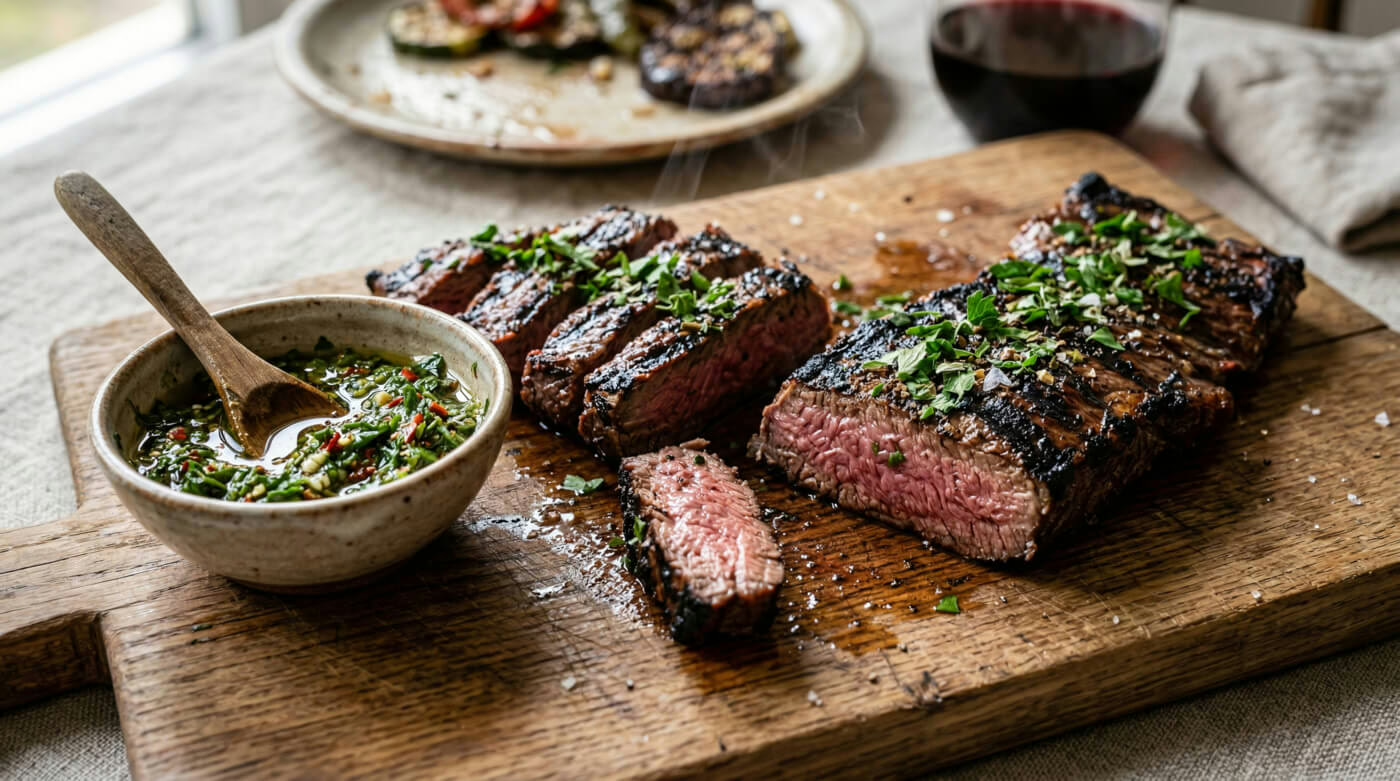
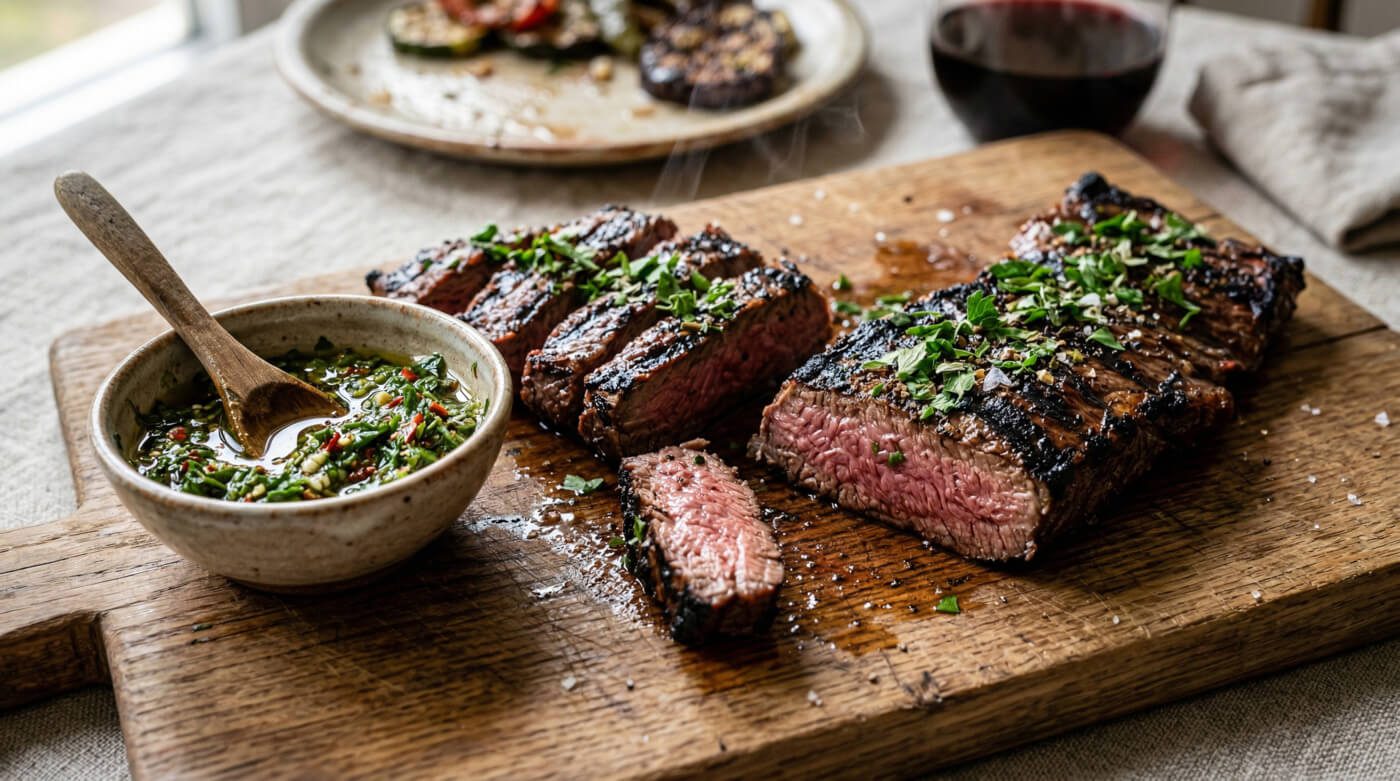
What success looks like: a nice charred crust on the outside, pink and juicy on the inside, smoky flavor that makes you want to close your eyes when you take a bite. The meat should be tender enough to tear apart easily when you bite into it, not chewy.
I usually make this on weekends when I have time to tend the grill and just vibe out in my backyard (okay, my apartment building’s shared patio area, but same energy). It’s become my go-to when I want to feel like I actually know how to cook, you know?
Something about grilling meat over fire makes you feel very accomplished and adult.
Is it worth making despite needing to deal with charcoal and wood chips? Absolutely.
Once you get the hang of it, the active cooking time is like 10 minutes max. And the flavor is so much better than anything you’d get from a regular weeknight steak.
Plus there’s something really satisfying about making food this way—it feels connected to something bigger than just dinner on a Tuesday.
If you’re on the fence about trying this, just grab some skirt steak next time you’re at the store and give it a shot. Worst case scenario, you end up with slightly overcooked steak that still tastes like smoke and summer.
Best case scenario, you unlock a new cooking skill and have an excuse to hang out by the grill with a drink. Either way, you win.
Frequently Asked Questions (FAQs)
What Is Asado Uruguayo?
Asado uruguayo is Uruguay’s national dish and its most beloved food tradition. At its core, it is a style of barbecue where beef, sausages, and sometimes lamb are cooked low and slow over a wood fire on an iron grill called a parrilla.
But asado is more than just grilled meat. It is a social event, a reason to gather family and friends around the fire for hours of good food and conversation.
What makes the Uruguayan version unique is the technique: the meat is placed beside the fire rather than directly over the flames, letting the wood smoke slowly infuse every cut with deep, rich flavor. Uruguayans keep the seasoning simple too, mostly just salt, so the quality of the beef does all the talking.
What Is the Main Ingredient in Asado?
The star of asado is high-quality beef, full stop. Uruguay’s cattle are grass-fed and free-roaming, which makes the meat naturally lean, tender, and full of flavor.
The most popular cuts you will see on a Uruguayan parrilla include vacío (flank steak), asado de tira (short ribs), and entraña (skirt steak).
Alongside the beef, a traditional spread also includes chorizos (garlic sausages), morcilla (blood sausage), and mollejas (sweetbreads).
Crusty bread, simple green salad, and a drizzle of chimichurri sauce round out the meal. But the beef always takes center stage, and the wood fire is what makes it truly special.